
The Spokane mortgage guides
Home Equity
Updated: August 2026
HELOC & Home Equity Loans in Spokane, WA.Tap Your Equity
Spokane owners who bought five years ago are sitting on six figures of equity. There are three ways to reach it, and they are not priced alike.
Start here
Real numbers in about a minute — no credit pull, no spam.
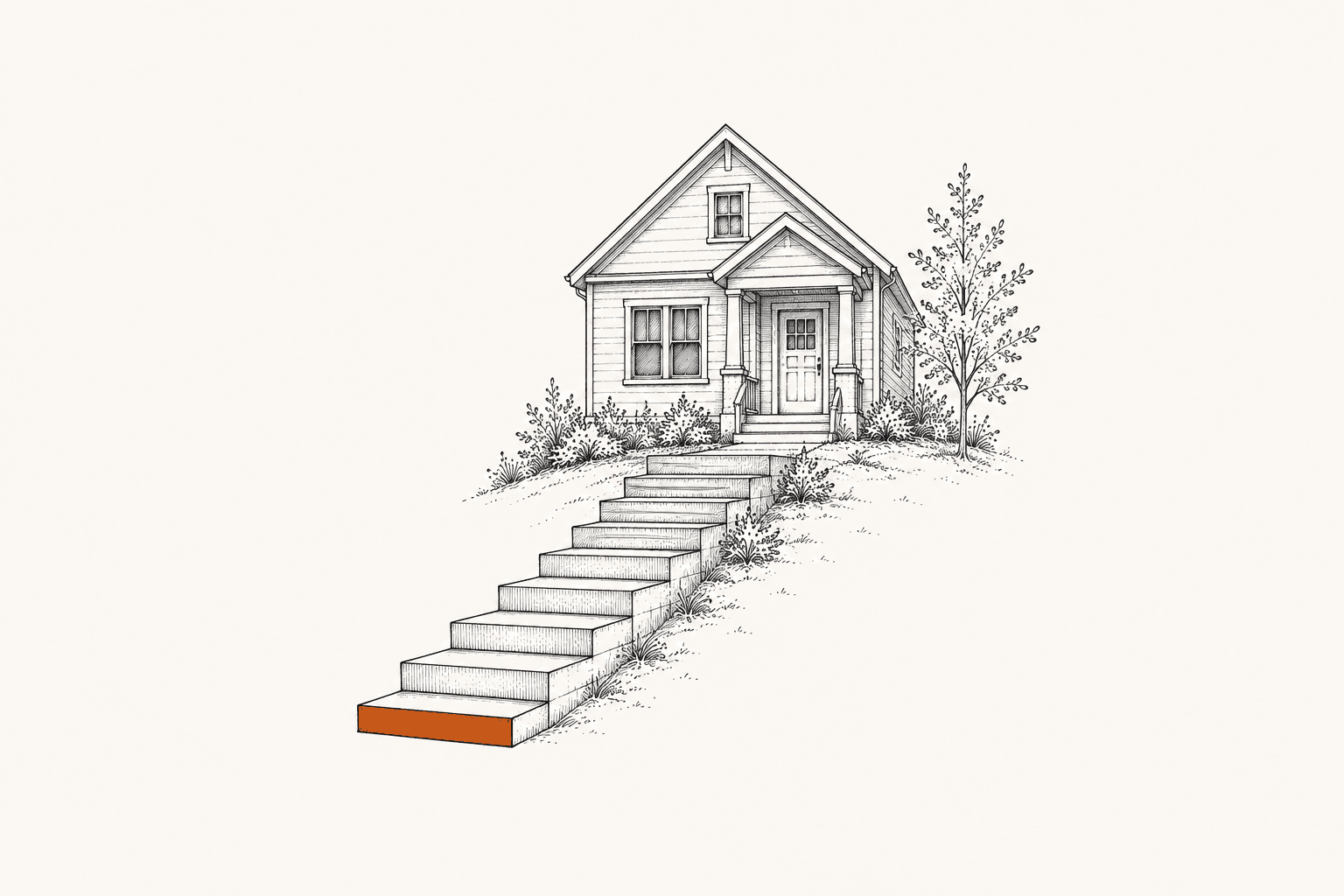
A HELOC in Spokane lets you borrow against your home's equity through a revolving line — most lenders allow combined borrowing up to 80% to 90% of the home's value. With the median Spokane home around $425,000 and owners who bought years ago holding serious equity, the question is which tool reaches it cheapest.
Three tools, one pile of equity
Every equity conversation I have in Spokane comes down to the same three options, and the right one depends on two things: what you need the money for, and what your current mortgage rate is doing for you.
The HELOC. A revolving second-lien line of credit. Draw during the first ten years, pay interest only on what you've used, then repay over the following twenty. Variable rate. Best for staged spending — a kitchen this year, a bathroom next — or a standing line you might never fully draw.
The home equity loan. One lump sum, fixed rate, fixed payment, second lien. Best when the number is known: a $60,000 roof-and-siding bid, a specific debt payoff. You trade the HELOC's flexibility for payment certainty.
The cash-out refinance. Replace your whole first mortgage with a bigger one and take the difference in cash. Best when your existing rate is nothing worth protecting — and usually wrong when you're holding a low rate from 2020, because a cash-out refinance reprices every dollar you owe, not just the new ones.
That last distinction does most of the deciding. Spokane owners holding a low first-mortgage rate typically want a second lien that leaves it alone. Owners whose rate is at or above today's market often do better replacing the whole loan. It's arithmetic, and I'll run it in front of you.
What the numbers look like on a Spokane house
Take the median-ish case: a $425,000 home in Spokane Valley with $250,000 left on the mortgage. At a 90% combined cap, up to $132,500 of equity is reachable; at a more conservative 80%, it's $90,000. On the Idaho side the math works the same way — a Post Falls or Coeur d'Alene home runs through the identical calculation, and I'm licensed for both sides of the state line.
What moves your number: the appraisal (Spokane values have climbed enough that many owners test higher than they expect), your credit score, and your debt-to-income with the new payment counted. Interest on home equity borrowing may also be tax-deductible when the money buys, builds, or substantially improves the home securing it — a your-accountant conversation, but worth knowing before you pick a tool.
The trap worth knowing about
The HELOC's draw-period math flatters you. Interest-only minimums on a variable rate feel cheap for ten years — then the line freezes, principal comes due over the repayment period, and the payment can jump hard. The owners who get hurt are the ones who drew the line to its cap, paid minimums, and treated the house like a credit card. The ones who do well match the tool to a plan: draw for the remodel, repay on schedule, keep the line as dry powder. Which one you'd be is a budget question, and I'd rather talk you out of a HELOC now than watch the reset hurt you in year eleven.
Where Rapid Repay fits
One more door, because this site covers a product most Spokane lenders don't have: the Rapid Repay first-lien HELOC replaces your mortgage entirely with a line of credit and a sweep account, pointing your whole income at the balance daily. It's a payoff accelerator, not an equity tap — but plenty of people who come in asking about HELOCs are actually trying to kill their mortgage faster, and for them it's the more interesting conversation.
How I run the numbers with you
Bring me your current mortgage balance, rate, and what the money is for. I'll price the second-lien options against the cash-out refinance on your actual file — payment, total interest, and what each does to the mortgage you already have — and tell you plainly if the answer is "none of these, leave the equity alone." Equity you don't touch is still yours. Call, text, or start above.
On the record
Frequently asked questions.
Is a HELOC the same as a home equity loan?
No, and the difference decides which one fits. A HELOC is a revolving credit line — you draw what you need, when you need it, and pay interest only on the balance, usually at a variable rate. A home equity loan hands you one lump sum at a fixed rate with a fixed payment. Rolling project with unknown costs? The line. One known number — a roof bid, a debt payoff — the fixed loan. Both sit behind your first mortgage as a second lien.
How does a HELOC work?
Two phases. During the draw period, typically ten years, the line works like a credit card secured by your house: borrow, repay, borrow again, with interest-only minimum payments on what you've drawn. Then the repayment period starts — usually twenty years — the line freezes, and you pay principal and interest on whatever balance remains. The payment jump at that transition surprises people who drew heavily and paid only the minimum, so it's the first thing I flag when we run numbers.
How much can I borrow against my home in Spokane?
Most lenders cap combined borrowing — your first mortgage plus the equity line — at 80% to 90% of the home's value. Take a $425,000 Spokane home with a $250,000 mortgage balance: at a 90% cap, total lending stops at $382,500, leaving up to $132,500 of reachable equity. Your credit, income, and the appraisal set where you land in that range. Owners who bought before 2021 are often shocked by the number — values moved that much.
Does a HELOC affect your credit score?
Opening one adds a hard inquiry and a new account, so expect a small, short-lived dip. After that it behaves like any credit line: on-time payments help, heavy utilization can drag. Some scoring models treat large HELOCs as installment-style rather than revolving, which softens the utilization effect. It's a modest factor either way — the bigger credit event is missing a payment on a loan secured by your house, so borrow what the budget services.
When does a cash-out refinance beat a HELOC?
When your current mortgage rate is at or above today's market, replacing the whole loan and pulling cash in one move can win. When you're sitting on a low rate from 2020 or 2021, a second-lien HELOC usually wins because it leaves that first mortgage untouched — you pay the higher rate only on the slice you borrowed, not the whole balance. That single question — what's your current rate doing for you — settles most of these files.
Can you have a HELOC and a home equity loan at the same time?
Yes, as long as the combined liens stay under the lender's total borrowing cap. It's less common than picking one, but it happens — a fixed home equity loan funding a remodel with a HELOC behind it as a standing emergency line. Whether stacking beats simply sizing one product correctly is a numbers question I'd rather run than guess at.
What is a first-lien HELOC?
A line of credit that replaces your mortgage entirely instead of sitting behind it — first position, paired with a sweep account so your income works against the balance daily. It's a different tool for a different job: aggressive payoff rather than tapping equity for a project. That's the Rapid Repay program, and it has its own guide on this site if the payoff strategy is what you're actually after.
Still weighing it? The fastest way to a real answer